Renovating in France
Jasmine’s done it in Spain – but maybe you fancy France?
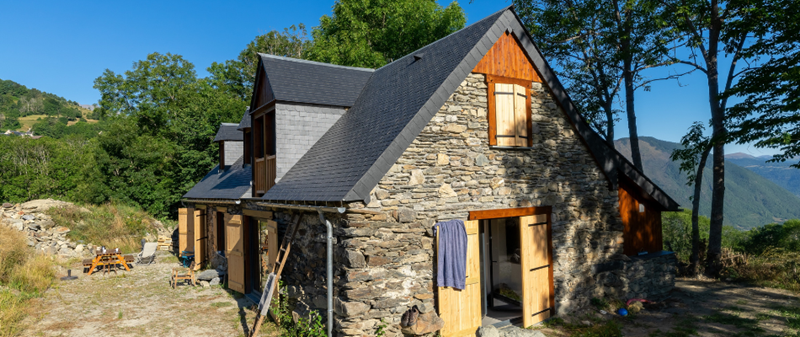
Renovating a home in France has never gone out of fashion. Across the country, there are hundreds of charming traditional homes and outbuildings just waiting for a contemporary twist or some much-needed TLC.
French buyers often love it when Brits do the heavy lifting, and if you play your cards right, you can add value, make it your own, or even create an income-generating gîte. But before you start hunting for a renovation bargain, here’s what to keep in mind.
Do the groundwork first
France’s property sales process is relatively transparent – sellers must provide a dossier of key information, including energy efficiency ratings, technical surveys, boundaries, and title deeds.
However, you can also bring in your own surveyor or legal adviser for extra peace of mind. Don’t be afraid to get quotes from builders before committing – it will help you estimate the real cost of the work and factor that into your offer.

Check for big-ticket repairs
Some renovations are more costly than others – so it pays to inspect the condition of the roof, septic tank (fosse), electrics, and water supply. These can also be valuable negotiating tools when agreeing on a price. Do you first need to do any emergency repairs (like these house hunters)?
Swimming pools are popular, but be sure to check both planning permission and budget. Labour and materials – especially timber and paint – can be pricier in France than in the UK.
Also, beware that delivery access or logistics can be added expenses, and it is mandatory to have an architect if the property is over a certain size.
Planning permission and local rules
You will need to get planning consent for most types of changes or extensions so get expert advice on this before committing – you can have a clause in the preliminary contract that completion is conditional on such permissions being obtained.
You may have to use a certain roof shape, or paint the woodwork in a certain palette, or even use ancient artisan techniques if the property is historic. Also, don’t over-spec it and just assume you’ll make the money back – in rural France prices go up slowly and the locals might not be prepared to pay a premium for something with a £20k marble bathroom.

Choose local, registered builders
As mentioned above, these can typically be more expensive than in the UK, depending on location and type of work. Try to use locals – and ones that come recommended.
Beware of bringing in British friends or contacts from back home – this may well annoy your neighbours but might bring issues down the line: if they are not properly registered in France, they won’t know the local codes of practice – especially electrical and plumbing work.
If something goes wrong, you’d have no recourse under French law if you used Dave from back home. They won’t have the correct insurance either.
French tradespeople should have a SIRET number which will include their VAT number, and you can make checks on this. Ask them if they have the insurance that guarantees work for 10 years. Get a detailed quotation (devis) for a job, not just a verbal quote. If you request changes, the devis will need to be updated by the builder and approved by you.
Keep receipts for tax purposes
Another reason for using French, certified tradesmen is that you need to keep receipts for building jobs so they can be set against the ‘gain’ on the property’s value when assessed for French capital gains tax. You also need to prove that VAT has been paid.

Be patient
Things in France often take longer than in the UK – that is part of the appeal for some! But this goes for building work too.
Your builders may take a two-hour lunch break and not work on weekends or bank holidays like some in the UK do. DIY stores do not open all hours of the day and may close at weekends. Extreme weather can also disrupt work.
If you won’t be living on site full-time, consider hiring a local project manager. And remember: like anywhere, most renovation projects take longer and cost more than you think.
Start your search for a renovation project in France
Thinking of buying a renovation project in France? From rustic farmhouses to charming cottages, explore great-value renovation opportunities in beautiful rural regions.