-
Find your place in the sun
- Home
-
Property Search
- Property Search
-
Property in Spain
- Property in Spain
- Almeria
- Costa Blanca
- Costa del Sol
- Costa Brava
- Costa de la Luz
-
Costa Tropical
- Costa Tropical
- La Herradura
- Almuñécar
- Salobreña
- Motril
- Murcia
- Valencia
- Inland Andalucia
-
Canary Islands
- Canary Islands
- Tenerife
- Fuerteventura
- Lanzarote
- Gran Canaria
- Balearic Islands
- All Areas
- Property in France
-
Property in Portugal
- Property in Portugal
- Algarve
- Albufeira
- Lagos
- Lisbon Coast
- Silver Coast
- All Areas
- Property in Italy
-
Property in Greece
- Property in Greece
- Aegean Islands
- Corfu
- Crete
- Halkidiki
- Ionian Islands
- All Areas
- Property in Florida
- Property in Cyprus
- Property in Turkey
- UK Park Homes
- Search all countries
- New Developments
- Find an agent in...
- Most Popular Properties
-
-
Help & Guides
- Help & Guides
- How to Buy
- Area Guides
- Free Guide Download
- Professional Services
- Currency
- Mortgages
- Insurance
-
Relocation
- Relocation
-
Moving to Spain
- Moving to Spain
- Buying property in Spain
- Living in Spain
- Retiring to Spain
- How to move to Spain
-
Moving to France
- Moving to France
- Buying property in France
- Living in France
- Retiring to France
-
Moving to Portugal
- Moving to Portugal
- Buying property in Portugal
- Living in Portugal
- Retiring to Portugal
-
Moving to Italy
- Moving to Italy
- Buying property in Italy
- Living in Italy
- Retiring to Italy
-
Moving to Cyprus
- Moving to Cyprus
- Buying property in Cyprus
- Living in Cyprus
- Retiring to Cyprus
- Moving to Malta
- Find a Lawyer
- Viewing Trips Guide
- Articles
- Webinars
-
New Developments
- New Developments
- Spain
- Portugal
- Greece
- Florida
- Turkey
- Costa Rica
- Cyprus
-
Rest of World
- Rest of World
- Egypt
- Kenya
- Cayman Islands
- All Areas
- Live Events
-
TV Show
- TV Show
- Episodes
- Presenters
- Apply
- Advertise with us
-
- Sign up / sign in
- Currency
- Find an agent
- Advertise with us

Property for Sale in Turkey
Hot Properties in Turkey
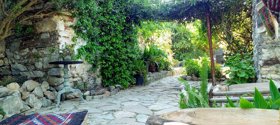
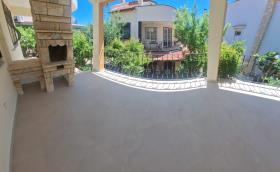
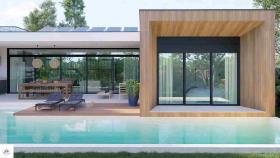
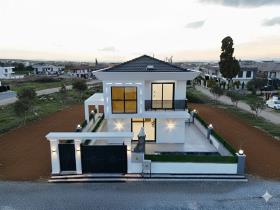
Property in Turkey
Turkey has moved up to seventh place in our Top 10 Best Places to Buy Abroad for 2026, continuing its steady rise in popularity. Long favoured for its sunshine, lifestyle and value, it was once considered a lower-cost alternative to Spain, yet this year the average property search budget has increased by 18% to £194,583, now exceeding Spain’s average.
Interest remains concentrated along the southwest coast, although there has been a subtle shift in preferred locations. Established favourites such as Ovacik and Altinkum continue to perform strongly, while nearby Uzumlu is also gaining traction. Further along the coast, Mahmutlar and Kemer round out the most popular areas, reflecting a broadening of interest within Turkey’s coastal property markets.
As well as attracting millions of us each year for vacations and affordable holiday homes, Turkey has become a popular spot for Brits seeking retirement homes (or at least long winters away). It’s cheaper to live in than some of our old favourites and, whisper it, some people think the Turkish people are friendlier than in the western Med too.
Turkey has a string of special coastal towns and resorts along its 700 kilometre Aegean/Mediterranean coast from Çesme in the north right down to Alanya. This is by far the most popular place to buy – who wouldn’t be tempted by somewhere called the Turquoise Coast? Stunning highlights include Olu Deniz, arguably the most beautiful little stretch of sand in the whole Mediterranean.
There are towns combining beach life with classical history too, such as Bodrum, site of one of the Seven Wonders of the Ancient World. The beaches and waters of the Turquoise Coast have distinguished fans, include David Beckham and David Cameron.
Turkey isn’t just about the beaches, though. It has ski resorts not far from Fethiye and adventure activities including white-water rafting, hiking and paragliding. Being a Muslim country, Turkey has a more modest attitude to holiday fun – a bit less excessive hedonism than in some countries.
Until the 1920s much of this coast was lived in by Greeks and Turks together, and the mixture of styles can be most attractive, especially in old fishing villages like Çesme. Home hunters have been venturing a little way off the coast too, to villages like Uzumlu, among the forested hills.
The British are the biggest overseas property buyers in Turkey and there are quite large communities building up. More than 5,000 British people call Fethiye home.
Although the Mediterranean coast has the most popular places to buy and the easiest in terms of English-speaking agents, lawyers and professionals – there are alternatives. The Black Sea coast is wetter and more mountainous, but the ancient port city of Trabzon has been attracting some adventurous buyers. There is also the vast interior of Turkey and the cities of Izmir and Istanbul which could well become investment hotspots as Turkey strengthens its economy as the route between East and West
Where to Buy Property in Turkey
The vast majority of lifestyle buyers head to Turkey’s southwest coast, south of Izmir, where the Aegean meets the Mediterranean, running east to Alanya.
Although the Çesme peninsula offers some lovely, traditional seaside villages that are popular with weekenders from Izmir, 50km away, both this area and cheap and cheerful Kusadasi have slightly fallen in favour with the British market as other areas have evolved more enticingly.
One of these areas is nearby Didim, a working Turkish town that has been the focus of a raft of new investment that includes a new marina and town square. Both it and the next-door beach resort of Altinkum have historically appealed to British buyers seeking a holiday home for around £50,000.
Five years ago you could buy an apartment in these areas for around £20,000 – now you are looking at £35,000 plus for a resale – be careful to do your research and don’t on price alone.
There are also marina and golf course properties, and villas from below £90,000. Akbuk is a relatively green and quiet, but up-and-coming resort, nearby. Detached villas start cost around £130,000.
Bodrum
Fashionable Bodrum is definitely the highlight of this stretch of coast, and a luxury hotspot historically popular with rich Turks - it has gained several new five-star hotels in recent years and Kate Moss and Sadie Frost have been holidaying there too.
Twenty-five miles long, it is a mix of package resorts, quaint fishing villages and classy marina towns. Some areas are much more Turkish than others – Turkbuku is an exclusive area popular with wealthy locals – whilst Yalikavik has evolved from being the same into a cosmopolitan resort that draws the likes of Jade Jagger and Cristiano Ronaldo.
Even this trendy resort has something for all budgets – a penthouse apartment kicks off at around £90,000, whilst you might get a small villa for a little over £150,000 but for quality and sea views you really need to spend £150,000-200,000. Starchitect villas in the hills above the marina go into several millions.
On the peninsula, Gumbet and Gulluk are more affordable, as is Bodrum town itself where you can get an apartment for less than £50,000, but all the resorts are easily accessed from Bodrum’s upgraded international airport.
On the way east to Fethiye you will hit the major tourist resort of Marmaris, popular with retirees, with a small villa from around £80,000. Apartments sell from £55,000 )resale) or £80,000 (new).
Fethiye
Dalaman is the next major buying area, that includes the unspoilt area of Dalyan where you can get an apartment from around £40,000 or a three-bed detached villa with a pool for £150,000.
Beyond that is Fethiye; a city and district that, with nearby Calis, Ovacik and Hisaronu, is a great favourite amongst British buyers. Calis Beach, a flat area behind the sweeping bay, is popular with retirees, who might buy an apartment for little more than £50,000.
The area is most famous for Olu Deniz, one of the most photographed beaches in the world, and away from this protected stretch, studio apartments can go from £35,000, good quality villas with private pools from £140,000.
In Ovacik – where there is a new shopping mall and aquapark – apartments start from £50,000 or villas from around £100,000.
The wine-growing town of Uzumlu 15km inland from Fethiye appeals to those seeking to escape the bars and nightclubs completely for a more authentic Turkish experience. The village itself is a pretty with cobbled streets and Ottoman style cottages, and in the green valley around it, backed by mountains that are snow-capped in winter, you can get a wide choice of detached three-bed villas for around £100,000.
Kalkan and Kas
Kalkan and Kas are also classy resorts based around bohemian old towns with attractive harbours. Buyers tend to be older, wealthier, and looking for a more authentic Turkish experience. Apartments are more expensive than Fethiye (but still start at just £50,000) while villas can hit a million. Kalkan has been improved recently after a fire destroyed a large part of the harbour in 2014.
It remains a great place for villa rentals, especially if you have one of the newish typically Kalkan contemporary style villas with infinity pool and sea views over the bay – expect to pay over £400,000 to buy. Deals are more likely in the £200,000 to £300,000 sector that includes quality apartments or older resale villas.
East towards Antalya
Side, further west, is cheaper than Kalkan, and offers an attractive range of ancient ruins as well as easy access (35 minutes) to the golfing mecca of Belek. Modern apartments start from around £45,000 for one bedroom, two bedrooms cost from around £60,000, duplexes from around £90,000 and villas from £150,000.
In Belek - the purpose-built resort and the fastest-growing golf destination in Europe with 14 golf courses, six of which are championship class – you will pay £100,000 for a golf villa but if you travel a little away from the greens you can get a modest property for £50,000.
Antalya is further east, around a headland, and has the advantage of direct, year-round flights to the UK from its airport and a slightly warmer climate, but like Alanya, does not attract as many British buyers as the Fethiye/Bodrum/Kalkan areas. Flights to Gazipasa airport in this region are increasing slowly, although mainly from Scandinavian carriers.
How to Buy Property in Turkey
Once you have found a suitable property you need to find an independent lawyer. Your lawyer should be shown all the relevant legal paperwork, the TAPU (title deeds) and Iskan (habitation licence) before you proceed any further. He will check the property can be sold to a non-Turkish buyer. Usually a holding deposit will be required, typically £1,000 to £2,000. A date for a full 10 to 30 per cent deposit will be agreed (less the holding deposit). You will need to get a tax number and open a bank account.
Typically, the buying process can take up to four to five weeks, however since legal changes introduced in 2013, this period can be as short as one day if the property being purchased is currently owned by a foreign national – or a foreign national owns property within the same complex.
Once complete, the parties sign all the pages of a Turkish contract, which is translated into English by a licensed translator. Once this is done and the deposit received, your application papers will be sent for military clearance, before the deeds can then be issued into the buyer’s name.
Buying Costs
Buying costs will vary between regions of Turkey, but as a guide, allow for at least £500 for your Turkey-based legal fees. The Notary costs (including Power of Attorney) are from £200.
Property Purchase Tax (like stamp duty) will be 4.4 per cent of the total of the registered purchase price. Military approval costs from £125-500, and the Land Registry cost is £125. Estate agency fees for re-sale property are generally 3 per cent, and utility transfer fees from £150.
Buyers Need to Know
Do use a truly independent lawyer who can do all the proper checks.
Don’t bank on a wide choice of mortgage options – lending is still limited though slowly opening up.

